


Project Info
| Client: | U.S. Department of Veterans Affairs (VA): National Center for PTSD |
| Project: | AboutFace website redesign |
| Role: | Lead Designer: directed visual redesign and guided experience navigation, collaborating closely with Veterans and clinicians and a cross-functional project team |
| Skills: | Visual design, Web design, User Interface(UI) design, Branding, Accessibility, Cross-team collaboration |
| Software: | Illustrator, Photoshop, Figma |
| Designed Materials: | Website redesign | Design scan | Look and feel | Brand Guidelines | |
| Website: | ptsd.va.gov/apps/aboutface/ |
Opportunity
The VA’s AboutFace website provides Veterans, families, and clinicians with stories and resources about PTSD from people with lived experience. The existing site was outdated, difficult to navigate, and featured a dark, harsh aesthetic that didn’t feel welcoming. Veterans in vulnerable moments—dealing with panic attacks, triggers, or crisis situations—struggled to quickly find the help they needed. The redesign needed to make resources frictionless to access during difficult times, better showcase Veterans’ stories, create a calm, safe space to land, and ensure full accessibility and federal compliance.

Approach

Defined Visual Identity & Site Structure
Conducted a design scan of comparable sites and created three distinct homepage concepts to align with the client on aesthetic direction. Developed a complete visual system with rounded shapes, generous white space, and lighter-weight typefaces (Montserrat and Open Sans) that created a calming, approachable feel while maintaining appeal for Veterans who might be put off by overly soft design.
Designed Trauma-Informed Interface
Created a visual language that made the site feel like a “soft place to land” for Veterans dealing with PTSD, panic attacks, or triggers. Every design decision considered how to reduce friction and create a sense of safety: high contrast for readability, clear visual hierarchy, and a thoughtful application of the VA’s existing color palette that softened the previous dark, harsh aesthetic while working within the constraints of their bright orange brand color.


Prioritized Veteran Representation
Art directed the selection and placement of Veteran imagery throughout the site, curating from client-provided photos to showcase diverse Veterans from different backgrounds, branches, and experiences. Ensured Veterans could see themselves represented and find stories from people they could relate to.
Created Guided Experience Pathways
Designed topic-based navigation paths aligned with treatment steps (What is PTSD? How does treatment work? How does PTSD affect loved ones? What’s the next step?) and created landing pages for specific topics like military sexual trauma, moral injury, substance use, and PTSD therapies. The design made it frictionless for Veterans in crisis to quickly connect with the resources most relevant to their journey.

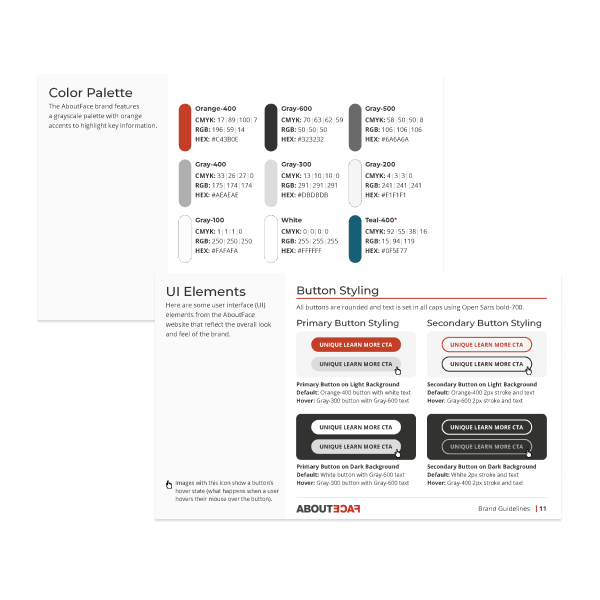
Developed Scalable Design System
Built comprehensive page templates that worked across all 13 content pages and authored brand guidelines to document the visual identity and ensure consistency. Collaborated with the UX designer on wireframes and iterated based on user testing with Veterans and clinicians, refining the visual design to meet Section 508 accessibility standards and federal compliance requirements.
Impact

Reflection
This project taught me the power of visual design to create emotional safety. Working on a site for Veterans with PTSD required thinking beyond aesthetics to how every design choice (from typeface weight to the amount of white space) could either help or hinder someone in crisis. The most meaningful aspect was understanding that for this audience, hearing from other Veterans who’ve been there is everything. My job was to create a visual environment that honored their stories and made those connections as seamless as possible. Collaborating with Veterans during testing and hearing their experiences was emotionally challenging but reinforced why thoughtful, trauma-informed design matters. This wasn’t about making something look good. It was about creating a space where Veterans could find hope and help.